
Palm sugar and brown sugar are both popular sweeteners, but they have distinct differences in terms of origin, processing, nutritional content, and flavor. Here’s a detailed comparison:
1. Origin and Production:
- Palm Sugar: Palm sugar is derived from the sap of various palm trees, such as the coconut palm or sugar palm. The sap is boiled and crystallized to produce the sugar
- Brown Sugar: Brown sugar is typically made from sugar cane or sugar beets. It is essentially white sugar with molasses added back to it, which gives it its characteristic color and flavor
2. Nutritional Content:
- Palm Sugar: Palm sugar retains many of the natural vitamins and minerals found in the palm sap, including iron, zinc, calcium, and potassium. It also contains antioxidants and inulin, a type of prebiotic fiber that supports gut health
- Brown Sugar: Brown sugar contains some minerals due to the molasses, but in much smaller amounts compared to palm sugar. It primarily provides calories with minimal nutritional benefits
3. Glycemic Index:
- Palm Sugar: Palm sugar has a lower glycemic index (GI) compared to brown sugar, which means it causes a slower and more gradual increase in blood sugar levels. This can be beneficial for managing blood sugar levels
- Brown Sugar: Brown sugar has a higher glycemic index, similar to that of white sugar, leading to quicker spikes in blood sugar levels
4. Flavor and Texture:
- Palm Sugar: Palm sugar has a rich, caramel-like flavor with butterscotch notes. It is less sticky and has a lower melt temperature, making it versatile for various culinary uses
- Brown Sugar: Brown sugar has a moist texture and a flavor profile dominated by molasses, which can range from light to dark depending on the molasses content. It is often used in baking for its moisture-retaining properties and rich flavor
.
5. Environmental Impact:
- Palm Sugar: Palm sugar production is generally considered more sustainable. Palm trees require less water and can help restore damaged soil, making palm sugar a more environmentally-friendly option
- Brown Sugar: The production of brown sugar, particularly from sugar cane, can be resource-intensive and may have a higher environmental impact due to the water and land required for sugar cane cultivation.
6. Culinary Uses:
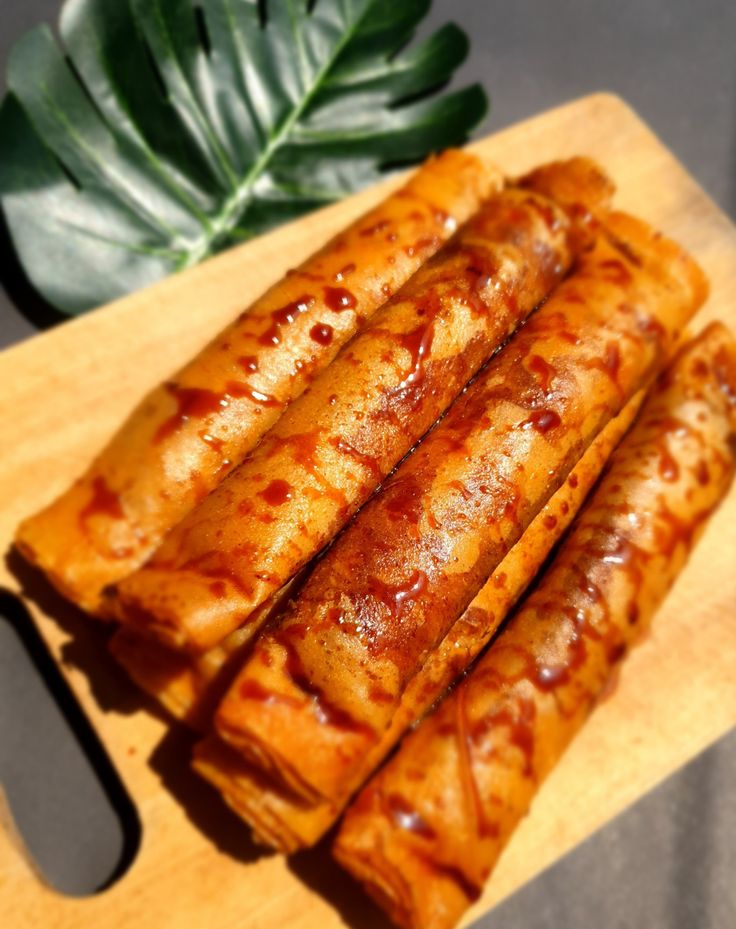
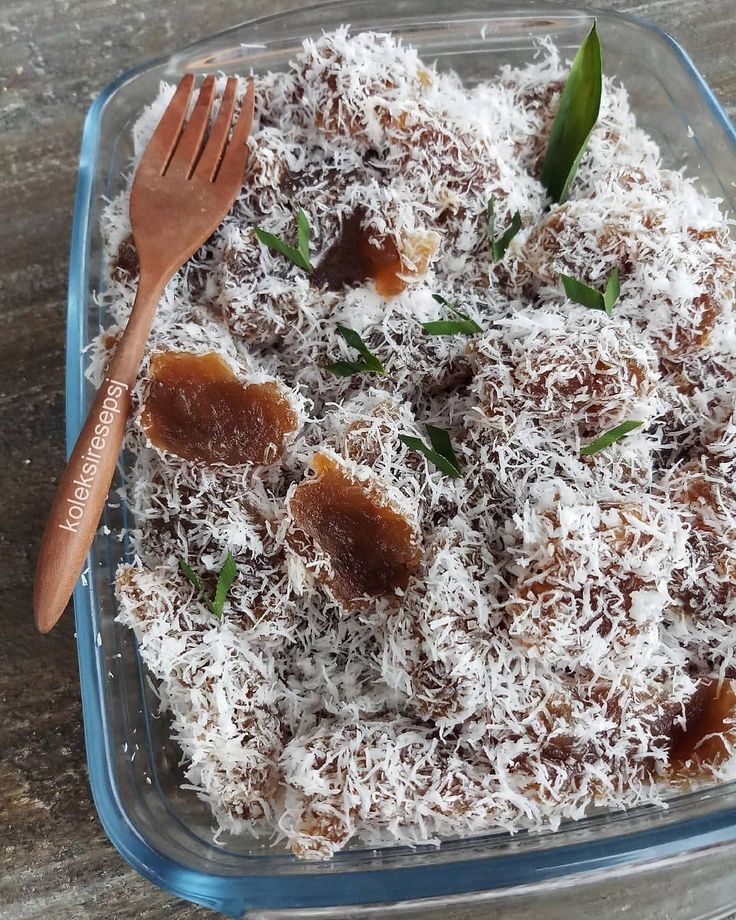
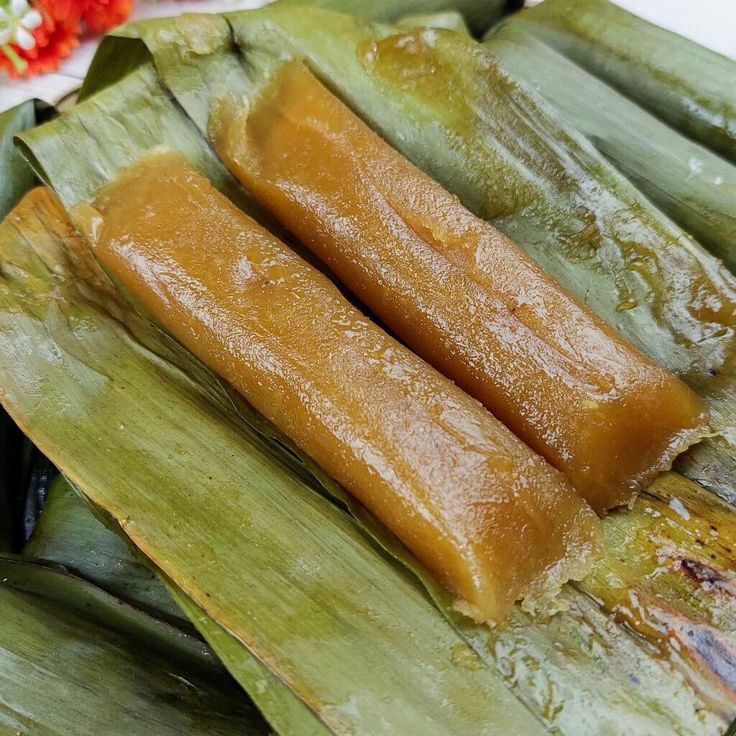
- Palm Sugar: Palm sugar is commonly used in Southeast Asian cuisines, particularly in Thai cooking, for its unique flavor. It can be used in desserts, sauces, and beverages
- Brown Sugar: Brown sugar is widely used in baking, sauces, and marinades. Its moisture content makes it ideal for baked goods like cookies and cakes, where it helps retain moisture and adds a rich flavor.
Conclusion: Palm sugar is generally considered more nutritious and environmentally friendly compared to brown sugar. It offers a lower glycemic index, higher mineral content, and unique flavor profile. However, both sugars have their own distinct uses in cooking and baking, and the choice between them can depend on the specific requirements of the recipe and personal dietary preferences.